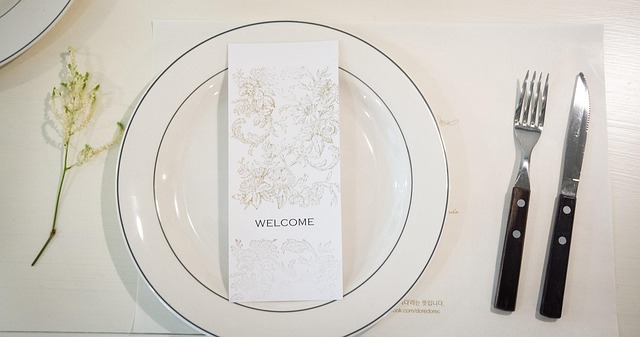
Group dining basics
For groups, the smoothest experience comes from setting expectations early. Choose whether you want shared plates or individual mains, and keep timing realistic. If your group includes different arrival times, consider meeting a few minutes before you sit so your order can be taken together.
When you contact us, include group size, preferred seating (table or counter), and any time constraints. This helps our team suggest options that fit the room and service pace.
Service pacing
Our dining room is designed for a steady pace. If you need a quicker meal, mention it at the start so we can guide you toward dishes that can be prepared and served efficiently. If you prefer a longer, unhurried meal, we can space courses so the table feels relaxed.
The most helpful detail is your target end time. That single piece of information allows us to coordinate the flow without interrupting your experience.
Sharing preferences clearly
If you have a preference or restriction, clarity is more useful than broad labels. Instead of “no dairy,” it helps to say what you avoid and whether traces are acceptable. If the issue is a strong dislike, telling us the ingredient is still helpful.
The easiest way to get a clear answer is to send one message per question with specific dishes or ingredients. We use your information only to respond.
Arrivals and seating
Arriving a few minutes early helps avoid rushed decisions. If you have accessibility needs, we recommend contacting us in advance with the details that matter, such as step-free access or seating preference, so we can explain what the space can support.
If you are meeting others, choose a simple plan for arrival and ordering. It reduces confusion and helps the team keep service calm and consistent.
Bills and splitting
Splitting a bill is easiest when the plan is set before ordering. If you know you will split by item or by person, mention it early. This helps reduce confusion and speeds up the closing steps of the meal.
For larger groups, keeping orders organized by seat can help. If you prefer a simpler approach, shared plates with a single payment is typically the fastest.
Contact checklist
If you are writing in, a short checklist can speed up the response. Include your preferred date and time, group size, and any important preferences. If your question is about a specific dish, include the dish name and the part you want clarified.
Messages are reviewed during business hours. We use the details you provide to respond to your inquiry and keep a record for service follow-up.